

News
When design becomes expression and style becomes a language, the story of urban players begins.
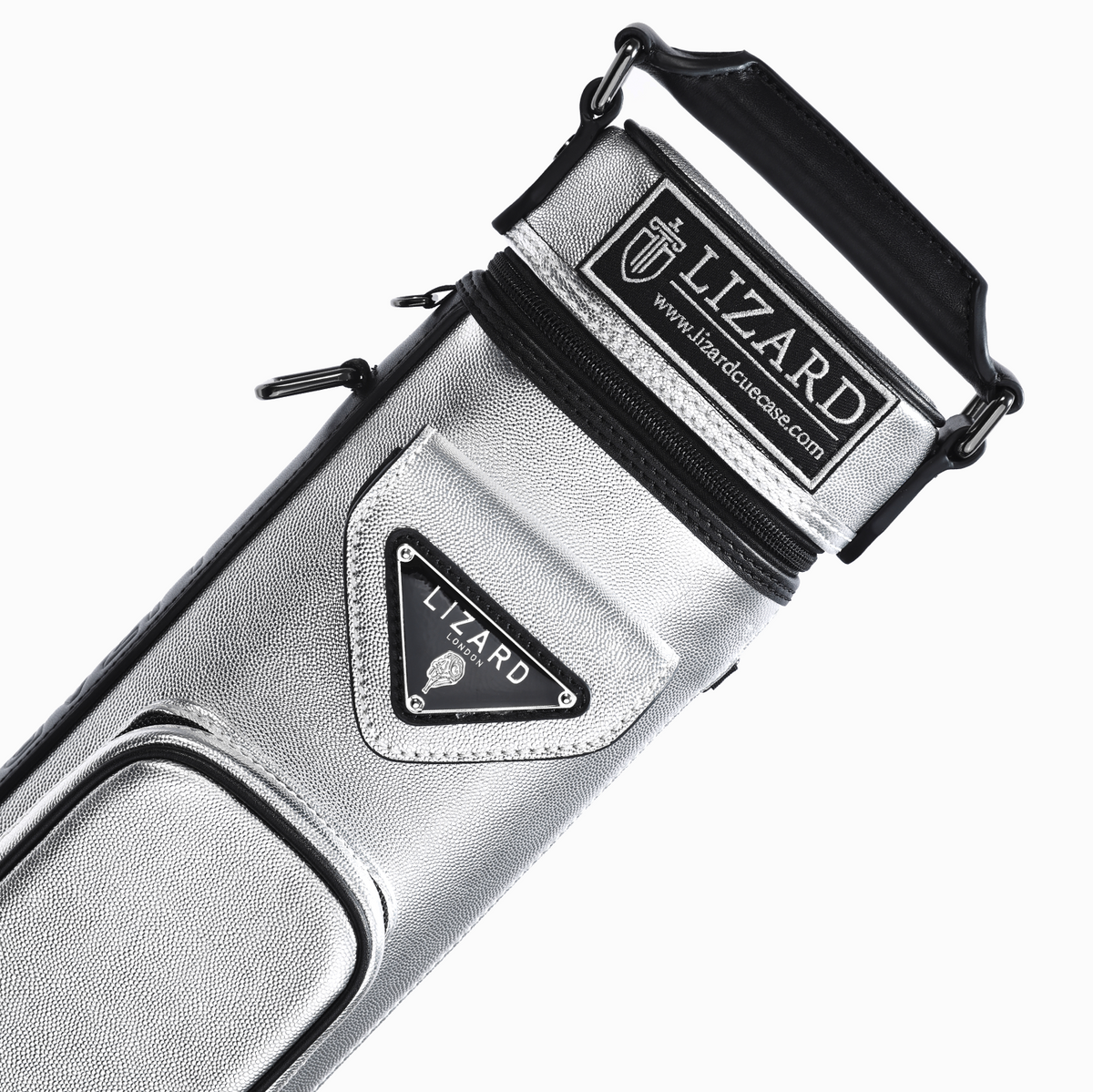
Best Pool Cue Case for Tournament Players: What to Look For
Read moreabout Best Pool Cue Case for Tournament Players: What to Look For
- 0 commentson Pool Cue Case Dimensions: Complete Size & Fit Guide
- by VIBRANTLIZARD
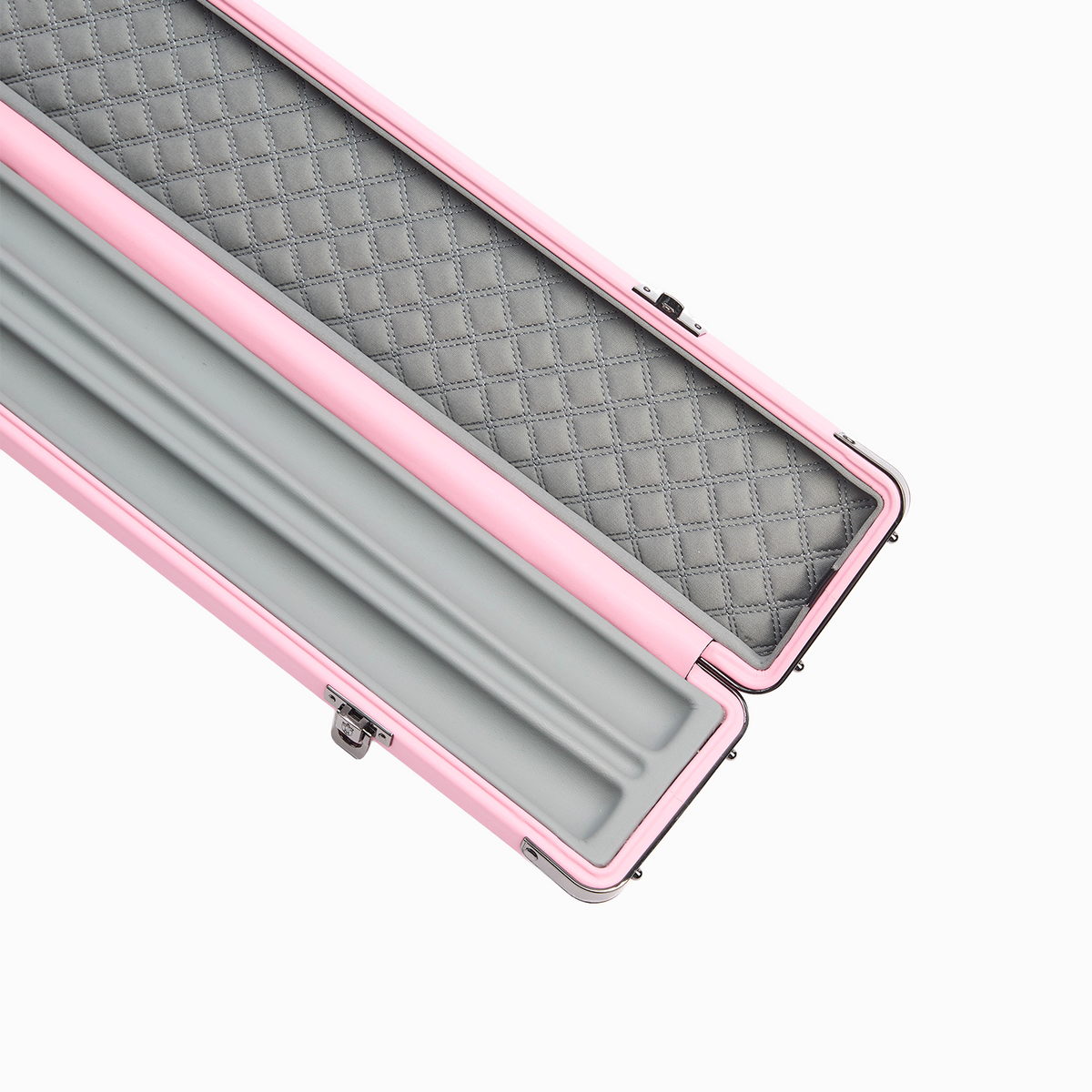
Pool Cue Case Dimensions: Complete Size & Fit Guide
Read moreabout Pool Cue Case Dimensions: Complete Size & Fit Guide
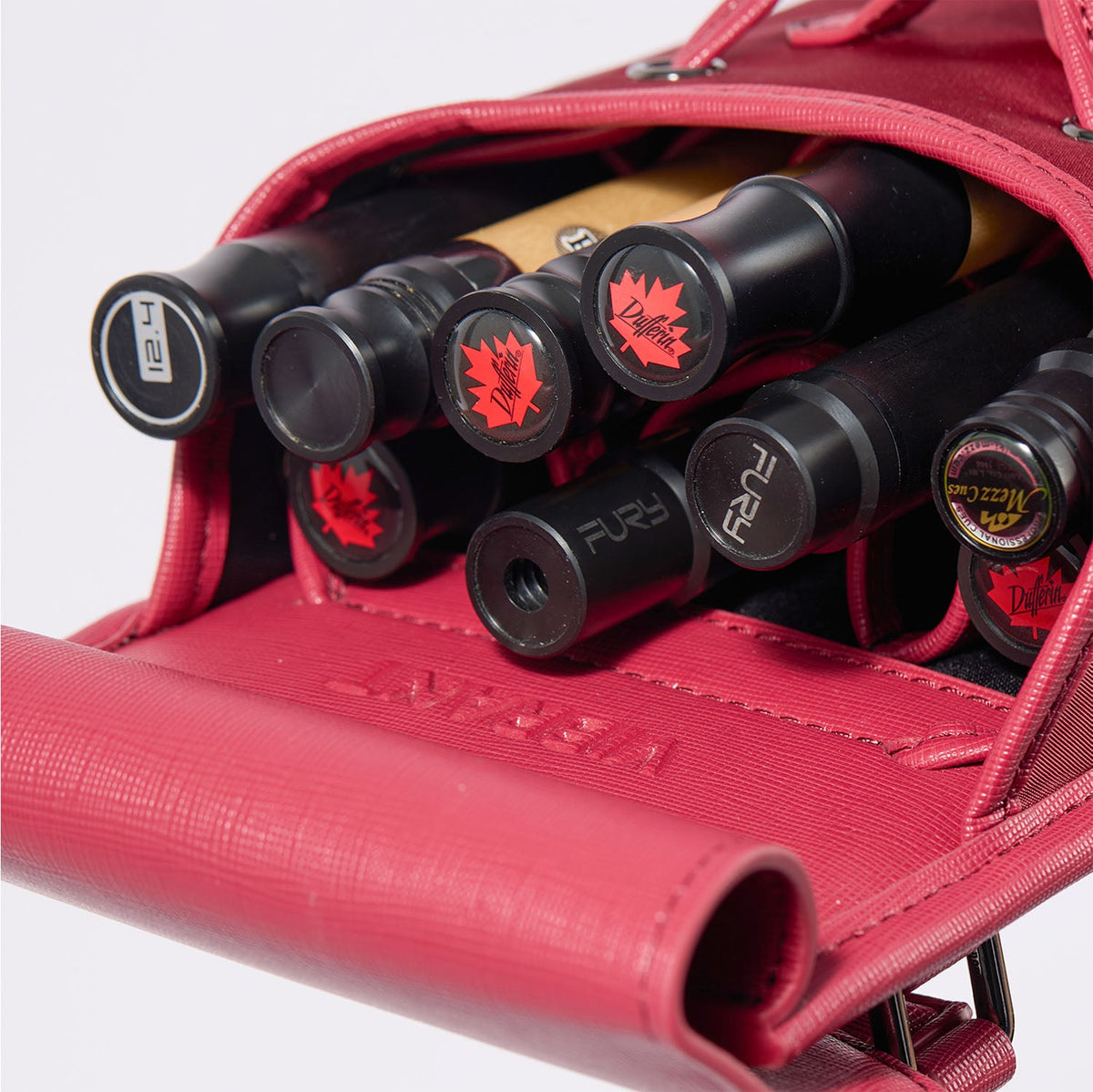
2B3S vs 2B4S vs 3B4S Pool Cue Case: Which Size Do You Need?
Read moreabout 2B3S vs 2B4S vs 3B4S Pool Cue Case: Which Size Do You Need?
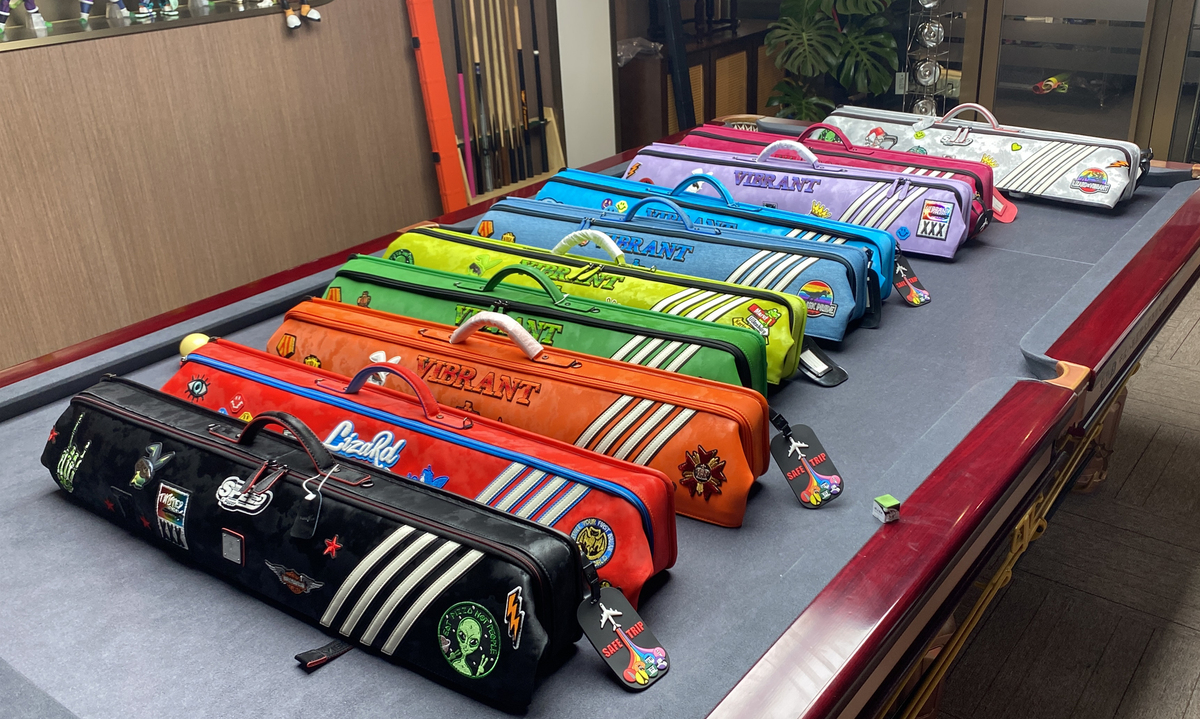
Hard vs Soft Pool Cue Case: Which One Should You Choose?
Read moreabout Hard vs Soft Pool Cue Case: Which One Should You Choose?
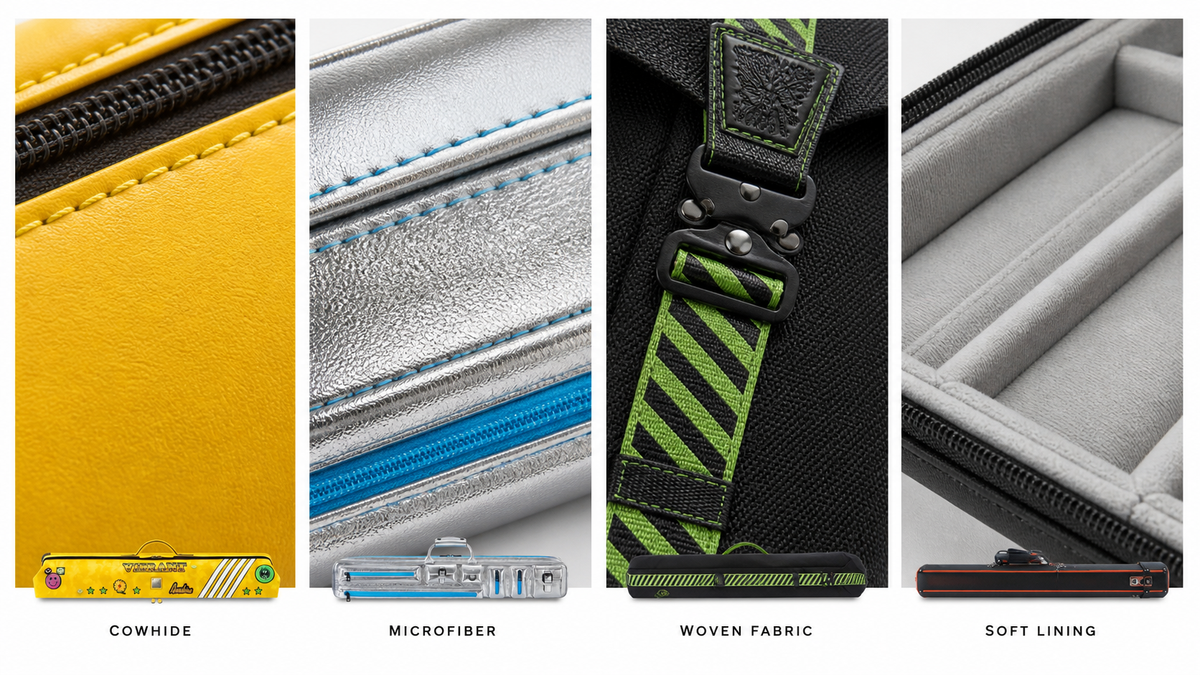
- 0 commentson Leather Pool Cue Case: What to Look for Before You Buy
- by VIBRANTLIZARD
Leather Pool Cue Case: What to Look for Before You Buy
Read moreabout Leather Pool Cue Case: What to Look for Before You Buy
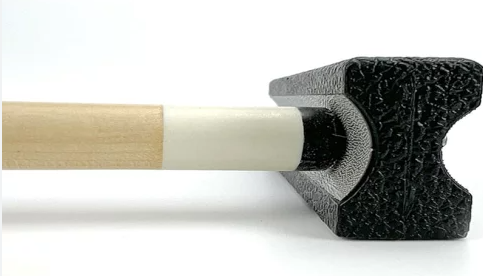
Pool Cue Shaft Taper Explained: Pro Taper vs. Conical Taper
The shape of a pool cue shaft is more important than it may initially appear. While players often focus on tip diameter, shaft material, or joint type, the shaft taper determines how the shaft changes in diameter from the tip toward the joint. That geometry influences how the cue moves through the bridge hand and how the shaft feels during the stroke.
The two most commonly discussed taper styles are pro taper and conical taper, also known as European or straight taper. Hybrid variations are also available. This guide explains how each taper is constructed, how they differ, how taper interacts with bridge position and shaft diameter, and what players should consider when choosing a cue shaft.
Read moreabout Pool Cue Shaft Taper Explained: Pro Taper vs. Conical Taper
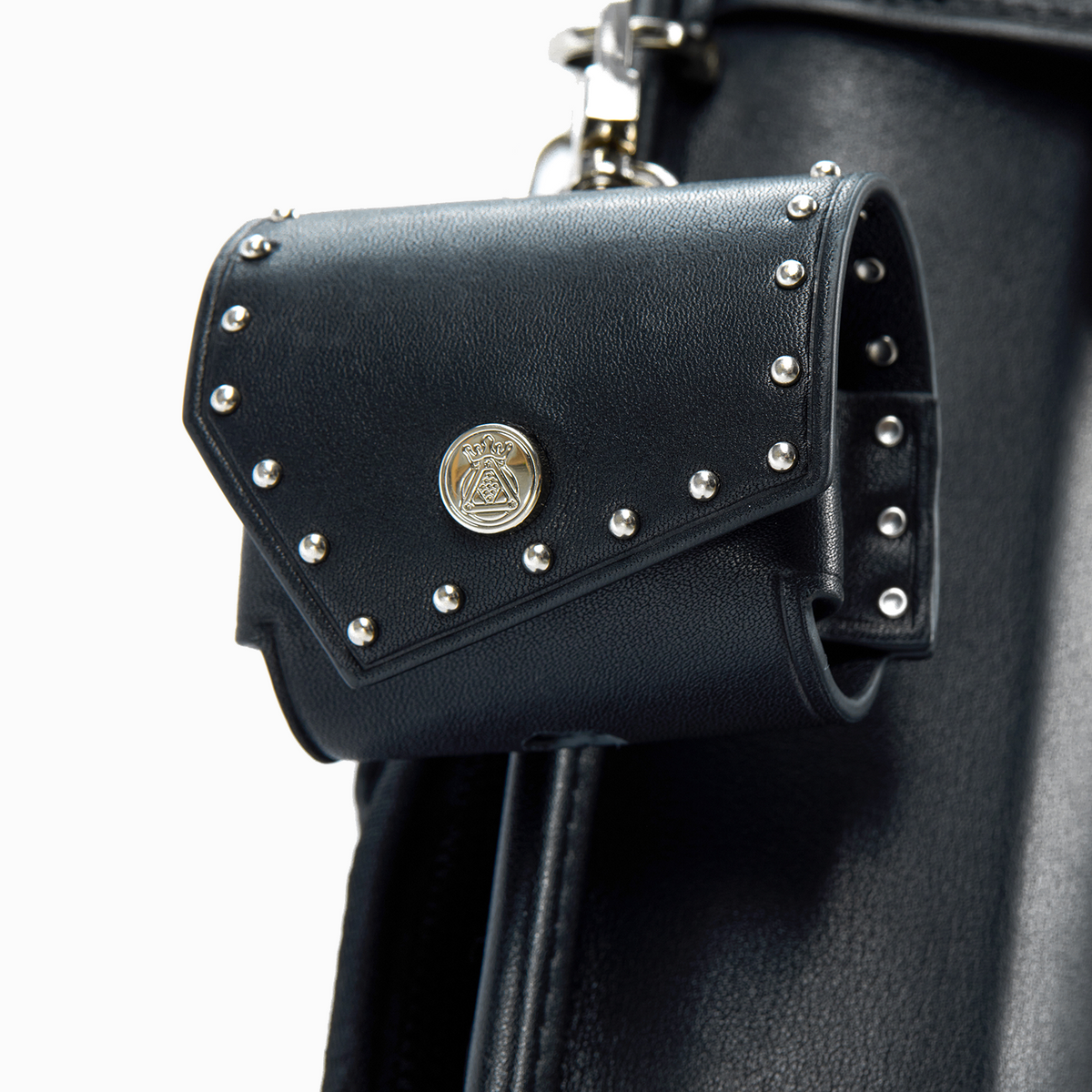
Pool Cue Travel Case: How to Protect Your Cue When Traveling
Read moreabout Pool Cue Travel Case: How to Protect Your Cue When Traveling
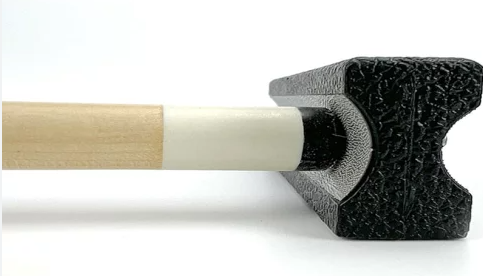
- 0 commentson Pool Cue Joint Types Explained: A Practical Guide to Pins, Compatibility and Cue Storage
- by VIBRANTLIZARD
Pool Cue Joint Types Explained: A Practical Guide to Pins, Compatibility and Cue Storage
The joint is one of the most important connection points in a two-piece pool cue. Different joint systems use different pin sizes, thread patterns, pilots, collars, and connection designs, which means not every shaft is compatible with every cue butt. This guide explains common pool cue joint types, including 5/16×14, 5/16×18, 3/8×10, Radial, and Uni-Loc systems, how to identify a cue joint, why compatibility matters, and how proper joint protection and storage can help protect your equipment.
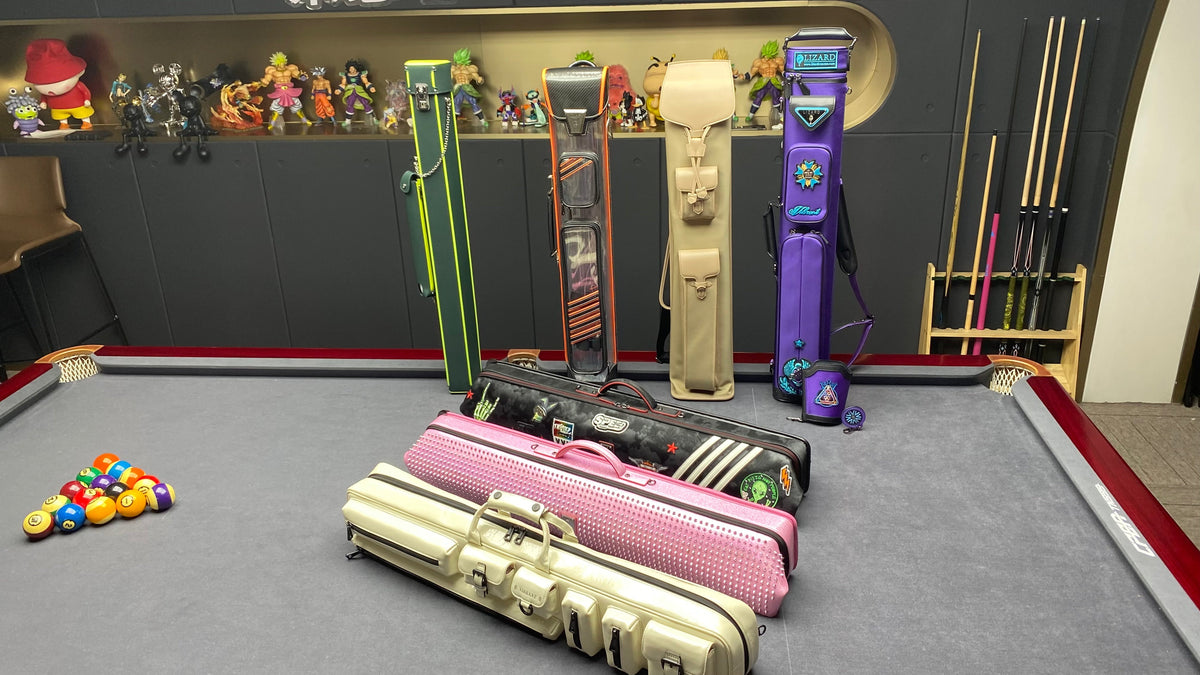
- 0 commentson How Weather and Humidity Affect Pool Cues: A Practical Guide to Cue Storage
- by VIBRANTLIZARD
How Weather and Humidity Affect Pool Cues: A Practical Guide to Cue Storage
Learn how humidity, temperature changes and storage conditions can affect pool cues. Discover practical ways to store and transport cues safely.
Read moreabout How Weather and Humidity Affect Pool Cues: A Practical Guide to Cue Storage