

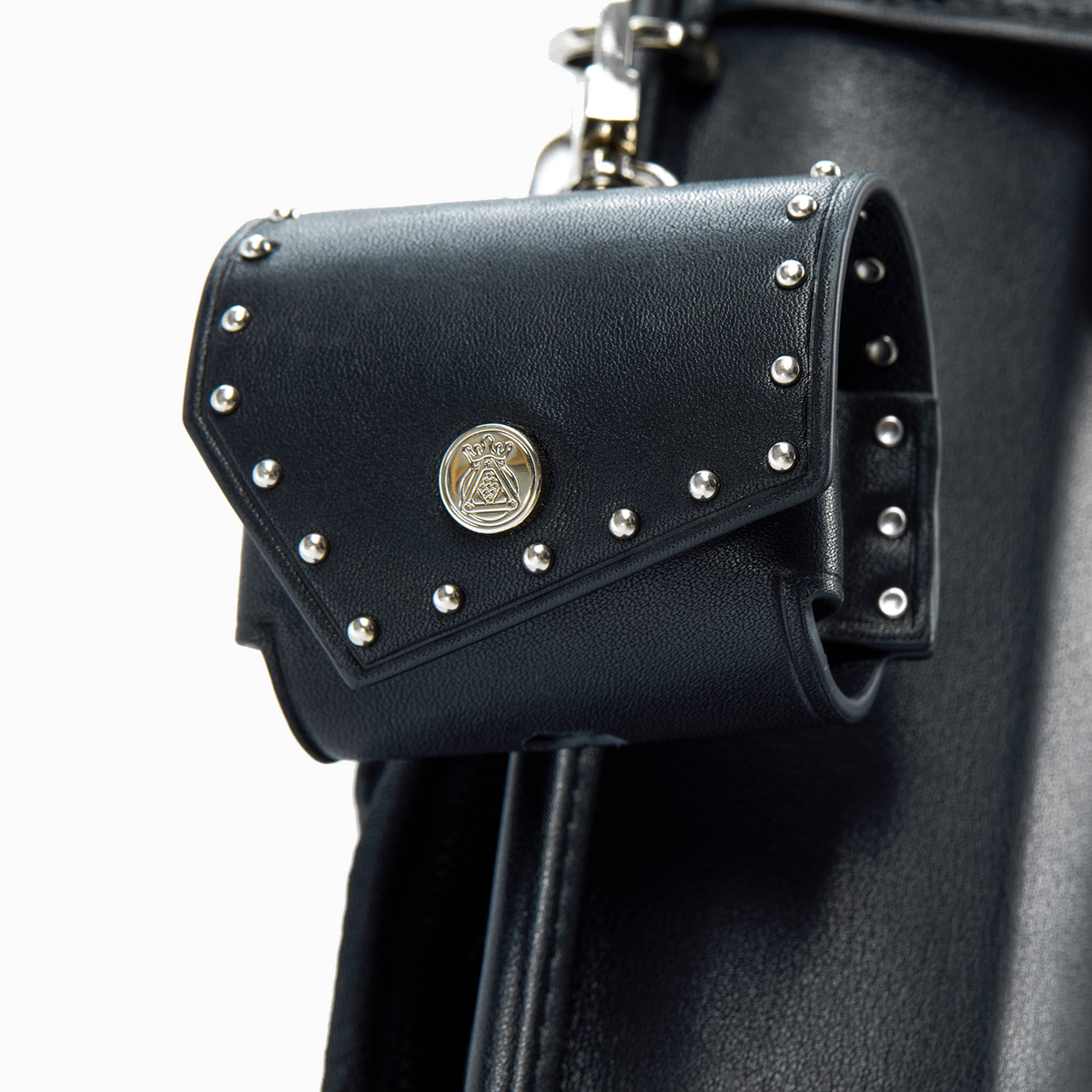
Pool Cue Travel Case: How to Protect Your Cue When Traveling
Traveling with a pool cue can be stressful, especially when you are carrying an expensive playing cue, extra shafts, a break cue, or a jump cue.
A good pool cue travel case does more than make your equipment easier to carry. The right case helps protect your cue from impacts, scratches, moisture, temperature changes, and the everyday wear that comes with traveling to tournaments, pool halls, leagues, and competitions.
If you regularly travel with your pool cue, choosing the right pool cue case for travel is an important part of protecting your equipment.
In this guide, we will explain what to look for in a travel pool cue case, how hard and soft cases compare, what size you may need, and how to prepare your cue for travel.
What Is a Pool Cue Travel Case?
A pool cue travel case is designed to safely transport pool cues and related accessories from one location to another.
Unlike a simple cue sleeve, a travel-oriented cue case typically provides dedicated compartments for cue butts, shafts, and accessories.
Depending on the design, a case may include:
- Separate butt and shaft compartments
- Protective interior padding
- Hard or reinforced exterior construction
- Accessory storage
- Shoulder straps or carrying handles
- Secure closures
- Moisture-resistant materials
- Additional space for jump or break cues
The best configuration depends on how many cues and shafts you normally carry.
Why Do You Need a Pool Cue Case for Travel?
A pool cue is precision equipment. Even small changes in how a cue is stored or transported can become frustrating when you are trying to maintain consistent performance.
When traveling, your cue can be exposed to:
- Accidental drops
- Bumps and impacts
- Pressure from other luggage
- Scratches
- Dust and dirt
- Humidity
- Temperature changes
- Repeated movement during transportation
A quality case creates a protective barrier between your cue and the outside environment.
For players who travel regularly, this is especially important.
1. Protect Your Cue From Impact
One of the biggest advantages of a protective cue case is impact protection.
Your cue may be placed on the floor, carried through a crowded pool hall, transported in a vehicle, or handled alongside other equipment.
A properly designed case helps reduce the chance that these everyday impacts directly reach your cue.
For players carrying expensive custom cues, additional protection can be especially valuable.
2. Keep Shafts and Butts Separated
A pool cue case should keep different components organized.
Separating cue butts and shafts helps reduce unnecessary contact between equipment and makes it easier to assemble your cue when you arrive.
This becomes even more useful if you travel with multiple shafts or more than one cue.
For example, a 3x4 pool cue case can provide storage for three cue butts and four shafts, depending on the specific case configuration.
If your equipment collection is smaller, a 2x4 configuration may be more practical.
Hard Pool Cue Case vs. Soft Pool Cue Case for Travel
One of the most common questions players ask is whether they should choose a hard or soft pool cue case.
The answer depends on how and where you travel.
Hard Pool Cue Case
A hard pool cue case generally focuses on structural protection.
It can be a good option for players who frequently:
- Travel long distances
- Transport expensive cues
- Attend tournaments
- Carry their cue with other equipment
- Want additional protection from external pressure
A hard case can provide a more rigid protective structure around the cue.
Soft Pool Cue Case
A soft cue case is generally lighter and easier to carry.
It may be suitable for players who primarily travel:
- Between home and a local pool hall
- To weekly leagues
- Short distances by car
- With minimal equipment
Soft cases can also be convenient when portability and weight are major considerations.
Which One Should You Choose?
Think about your normal travel situation.
If your cue is frequently exposed to crowded transportation, long-distance travel, or heavy equipment, protection may be a higher priority.
If you mainly need something lightweight for local trips, portability may matter more.
The important thing is to match the case to your actual playing and travel habits.
What Size Pool Cue Travel Case Do You Need?
Choosing the right size is one of the most important decisions when buying a cue case.
The number before the “x” generally refers to cue butts, while the second number refers to shafts.
For example:
|
Case Size |
Typical Configuration |
Suitable For |
|
2x3 |
2 butts + 3 shafts |
Players with a compact setup |
|
2x4 |
2 butts + 4 shafts |
Players carrying extra shafts |
|
3x4 |
3 butts + 4 shafts |
Players with multiple cues |
|
3B4S |
3 butts + 4 shafts |
Larger tournament setups |
Your ideal size depends on what you actually carry.
Buying a case that is too small can become frustrating when you add another shaft or break cue.
Buying one that is much larger than necessary can add unnecessary weight and bulk.
Traveling With a Break Cue or Jump Cue
Many serious players travel with more than just their playing cue.
A typical tournament setup might include:
- Playing cue
- Break cue
- Jump cue
- Multiple shafts
- Extension
- Joint protectors
- Chalk
- Tip tools
- Gloves
- Other accessories
This is one reason larger cue cases can be useful for tournament players.
Before choosing a case, make a list of the equipment you actually carry.
Then choose a configuration that provides enough room without forcing you to carry unnecessary bulk.
How to Protect Your Cue During Air Travel
Air travel requires extra consideration.
If you are taking your cue on a flight, check the airline’s current baggage and carry-on policies before traveling. Policies can vary by airline, route, and aircraft.
Regardless of whether the cue is carried on or transported as baggage, consider the following precautions.
Use a Protective Case
A dedicated travel cue case provides significantly more organization and protection than carrying individual cue components without protection.
Protect the Joint
Make sure your cue joints are properly protected.
Joint protectors can help keep dirt and debris away from the connection points and reduce the risk of accidental damage.
Avoid Loose Accessories
Small accessories should be stored securely inside designated compartments.
Loose metal tools or accessories can potentially scratch other equipment when everything moves around during transportation.
Check the Case Before Leaving
Before traveling, inspect:
- Zippers
- Handles
- Shoulder straps
- Closures
- Interior compartments
- Padding
- Joint protection
A quick inspection can prevent problems later.
How to Protect Your Cue From Humidity While Traveling
Humidity is another factor that pool players should consider.
Wooden cue components can respond to changes in their surrounding environment. Rapid changes in temperature and humidity may affect how equipment should be stored and transported.
A few practical habits can help:
- Avoid leaving your cue in extreme temperatures
- Do not leave your cue case inside a hot vehicle for extended periods
- Avoid storing the case in damp environments
- Allow equipment to acclimate gradually after major temperature changes
- Keep the cue properly protected inside the case
Your cue case is part of your equipment protection system, but proper storage habits are equally important.
What Should You Look for in a Travel Pool Cue Case?
When comparing different cases, consider these factors.
1. Protection
Look at the structure, padding, interior organization, and exterior construction.
2. Capacity
Make sure the case fits your current cue setup and allows reasonable room for the equipment you actually use.
3. Portability
Consider whether you prefer:
- Shoulder straps
- Carrying handles
- Backpack-style carrying
- Compact dimensions
4. Accessory Storage
A useful case should give you somewhere to store essentials such as:
- Chalk
- Glove
- Tip tools
- Extensions
- Joint protectors
5. Material
Different materials provide different combinations of durability, weight, appearance, and maintenance requirements.
Leather, synthetic materials, fabric, and reinforced constructions can all serve different purposes.
6. Interior Organization
Good organization prevents your equipment from becoming difficult to access.
A case should make it easy to identify where each cue component belongs.
Is a Leather Pool Cue Case Good for Travel?
A leather pool cue case can combine protection, durability, and a distinctive appearance.
For players who care about both functionality and aesthetics, leather can offer a more premium look compared with basic cases.
A well-designed leather cue case can also become part of a player’s personal style.
However, the most important consideration is still construction.
Look beyond the material itself and evaluate:
- Interior protection
- Stitching
- Hardware
- Compartment design
- Closure system
- Carrying options
- Overall construction quality
A premium material does not automatically mean a better case. The entire design matters.
Pool Cue Travel Case Checklist
Before purchasing a travel cue case, ask yourself:
How many cue butts do I carry?
How many shafts do I need?
Do I carry a break cue?
Do I carry a jump cue?
Do I travel by car or airplane?
Do I attend tournaments?
Do I need space for accessories?
Do I prioritize maximum protection or minimum weight?
Do I want a functional case or a custom/premium design?
Answering these questions makes it much easier to choose the right case.
Why the Right Cue Case Matters
A pool cue is an investment in your game.
Whether you own a production cue or a custom-built cue, transporting it without adequate protection can create unnecessary risks.
The right pool cue travel case should give you three things:
Protection.
Organization.
Confidence when traveling.
Instead of choosing a case simply because it looks good, consider how you actually use your equipment.
A player who travels to tournaments may have very different requirements from someone who only plays at a local pool hall.
Find the Right Pool Cue Case for Your Setup
At Lizard Cue Case, we focus on combining practical protection, functional organization, and distinctive cue case design.
Whether you are looking for a hard pool cue case, leather pool cue case, 2x4 cue case, 3x4 cue case, or a custom configuration, choosing the right case starts with understanding your equipment and how you travel.
Explore the Lizard collection and find a cue case designed around the way you play.
Protect your cue. Carry it with confidence. Play your game.
Related Guides
- Hard Pool Cue Case: Why Serious Players Need Better Protection
- 2x4 Pool Cue Case: How to Choose the Right 2 Butt 4 Shaft Cue Case
- 3x4 Pool Cue Case: How to Choose the Best 3 Butt 4 Shaft Cue Case
- How to Organize a Pool Cue Case: The Complete Setup Guide for Players
• • How Weather and Humidity Affect Pool Cues: A Practical Guide to Cue Storage
공유하기:
Pool Cue Joint Types Explained: A Practical Guide to Pins, Compatibility and Cue Storage