

Why Are Some Pool Cue Cases More Expensive Than Others?
By Lewis, Sales Manager at LIZARD Cue Case

A pool cue is a precision instrument. Whether you play competitively, travel between clubs, or simply want to protect a cue you enjoy using, choosing the right pool cue case can make a meaningful difference.
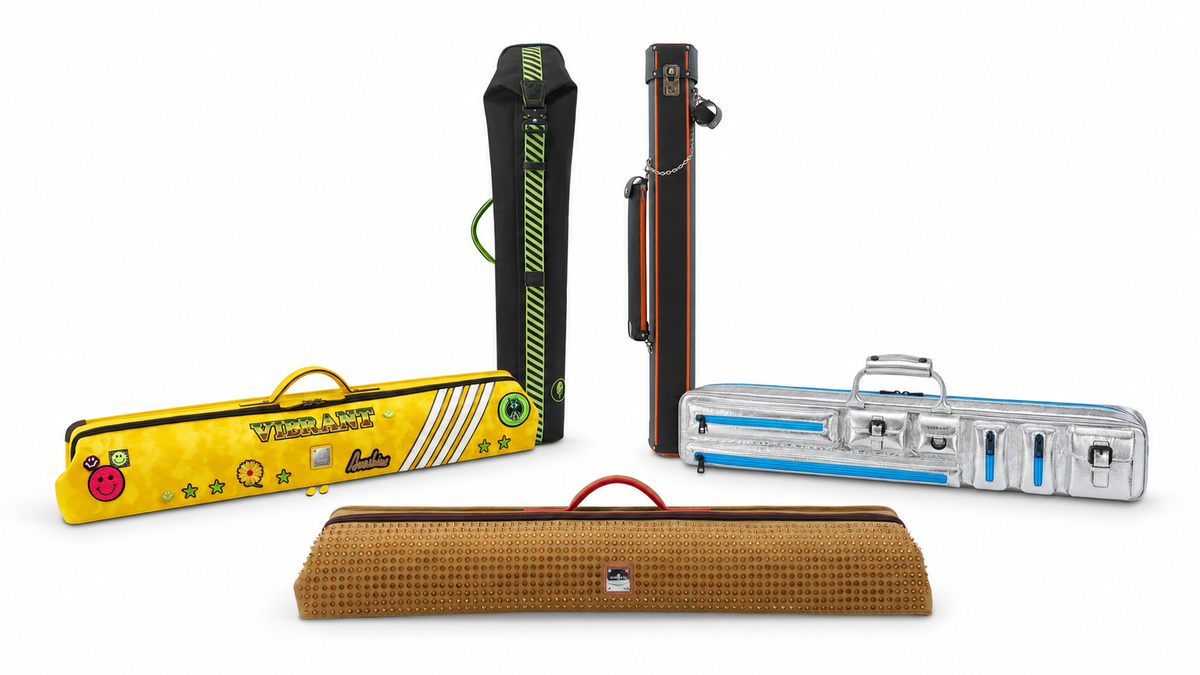
However, when comparing pool cue cases, players often find a surprisingly wide price range. Some cases are designed for basic storage, while others combine structured protection, premium materials, specialised compartments, original artwork, and detailed craftsmanship.
What creates this price difference? Is a more expensive cue case always the better choice?
The answer depends on how the case is built, what it protects, how frequently it will be used, and which features matter to the player. This guide explains the main differences between entry-level and premium cue cases so you can choose the right option for your needs.
1. Materials: The Foundation of a Cue Case
Materials are among the most important factors affecting the price, weight, appearance, durability, and protective performance of a cue case.

Exterior Materials
Affordable pool stick cases commonly use basic synthetic fabrics, thin artificial leather, or lightweight plastics. These materials may be suitable for occasional local use, but their resistance to abrasion, pressure, and repeated handling can vary.
Premium cue cases may use thicker microfiber, selected leather, structured composite materials, or specially finished fabrics. These materials are generally chosen not only for their appearance but also for durability, shape retention, and ease of maintenance.
For example, the LIZARD Rainbow Series Cue Case 3B4S combines cowhide and microfiber with a structured, padded design. Its embroidered sticker-style details demonstrate how materials can contribute to both protection and visual identity.
The best material is not necessarily the heaviest or most expensive one. It should provide an appropriate balance of:
· Structural support
· Abrasion resistance
· Weight
· Water resistance
· Flexibility
· Surface feel
· Visual design
· Maintenance requirements
Players should also distinguish between water-resistant and waterproof. Many cue cases can handle light moisture, but they should not be treated as fully waterproof unless the manufacturer explicitly confirms it.
Interior Materials
The inside of a billiard cue case is just as important as the exterior.
A well-designed interior helps keep cue butts and shafts separated, reduces unnecessary movement, and limits contact between cue components. Padding and soft lining can also reduce scratches and absorb some of the vibration caused by everyday transportation.
A low-cost cue stick case may use thinner padding or simplified dividers. This can be sufficient for basic storage, but players who travel frequently should pay closer attention to how securely the cue is held inside the case.
2. Structure and Protection
A cue case should do more than hold a cue. Its structure should help protect the equipment from pressure, impact, movement, and everyday handling.
Hard Cases and Soft Cases
Hard and soft pool cue cases serve different priorities.

A hard cue case normally provides greater structural resistance and is often preferred by players who travel frequently or carry valuable equipment. Its rigid construction helps resist external pressure, although it may add weight and bulk.
A soft cue case is usually lighter and easier to carry. A well-made soft case can still offer structured padding, individual compartments, and reinforced stress points. It may be ideal for club visits, league nights, and regular local travel.
Neither format is automatically superior. The right choice depends on your playing routine:
· Choose a hard case when maximum structural protection is the priority.
· Choose a padded soft case when weight, comfort, and mobility matter more.
· Choose a simple cue sleeve for light storage or short-distance transport.
3. Capacity: What Do 2B3S and 3B4S Mean?
The capacity of a pool cue stick case is normally described by the number of butts and shafts it can hold.
For example:
· 1B2S means one butt and two shafts.
· 2B3S means two butts and three shafts.
· 2B4S means two butts and four shafts.
· 3B4S means three butts and four shafts.
· 3B6S means three butts and six shafts.

A casual player with one playing cue and one spare shaft may not need a large case. A tournament player who carries a playing cue, break cue, jump cue, and multiple shafts will need more capacity.
Buying a case that is too small may force cue components into unsuitable compartments. Buying one that is much larger than necessary may add weight and make the case less convenient.
For players seeking a practical balance between capacity and portability, the LIZARD Diamond Series Cue Case 2B3S provides space for two butts and three shafts.

Players who carry a larger setup can consider a 3B4S format, such as the Rainbow, Horizon, or Multi-Bag Function series.
The LIZARD pool cue case collection includes 1B2S, 2B3S, 2B4S, 3B4S, and other configurations, allowing players to select a case based on their actual equipment rather than appearance alone.
4. Craftsmanship and Construction Details
Two pool cue cases may look similar in photographs but perform differently after months of use. The difference often comes down to construction quality.
Important details include:
· Stitch consistency
· Reinforcement around handles and straps
· Zipper quality
· Edge finishing
· Strength of connection points
· Interior divider stability
· Accuracy of compartment dimensions
· Alignment of decorative panels
· Quality of hardware
· Overall balance when carried

Premium construction requires more production time, quality control, and skilled labour. Original patterns, detailed surface treatments, and handcrafted decorative elements can also increase production complexity.
For professional players and frequent travellers, these details are not merely cosmetic. A poorly positioned strap, weak handle connection, or unstable interior divider can affect everyday usability.
Before buying, examine detailed product photographs and specifications rather than judging a case only by its colour or price.
5. Storage and Everyday Functionality
Many players carry more than cue butts and shafts. Chalk, gloves, joint protectors, cue extensions, tip tools, towels, and personal items all require suitable storage.
Entry-level cases may offer one basic pocket. More advanced cases can include multiple exterior compartments, organised internal sections, and storage designed for accessories of different sizes.
The LIZARD Multi-Bag Function Series Cue Case 3B4S is designed for players who need greater storage flexibility. Its 3B4S capacity and multi-bag format make it more suitable for a complete playing setup than a minimal cue sleeve.

When comparing storage features, ask:
1. Will the long pocket fit my cue extension?
2. Is there a secure place for chalk and smaller tools?
3. Can I access accessories without removing the cues?
4. Will loaded pockets make the case uncomfortable to carry?
5. Are the pockets reinforced at high-stress points?
More pockets are useful only when they are positioned and constructed well.
6. Carrying Comfort and Weight
A pool stick case may feel comfortable when empty but very different after it is loaded with several cues and accessories.
Look for:
· Adjustable shoulder straps
· Comfortable handles
· Secure strap attachment points
· Even weight distribution
· Padding where the case contacts the shoulder or back
· Carrying modes suited to your travel habits
The LIZARD Rainbow Series, for example, uses a quick-adjust shoulder strap that allows players to change carrying positions more easily. The case weighs approximately 2.3 kg before cues and accessories are added, so buyers should consider the total loaded weight alongside protection and capacity.
A player who walks or uses public transportation may prioritise a lighter soft case. Someone who usually transports equipment by car may prefer a more structured case, even if it is heavier.
7. Original Design and Personal Style
A cue case is also part of a player’s identity.


Basic cases generally use standard shapes, colours, and surface finishes. Premium models may involve original design work, custom colour development, embroidery, specialised textures, and handcrafted details.
The LIZARD pool cue case collection ranges from understated designs to distinctive statement pieces. The Rainbow Series uses textured embroidered patches and vivid colour options, while other collections offer holographic finishes, leather-inspired styling, tactical storage, or more restrained patterns.
Original design affects cost because it requires concept development, prototyping, material selection, and more complex production.
For players who see billiards as both a sport and a form of personal expression, that additional design work can be an important part of the product’s value.
8. Custom Pool Cue Cases
Customisation is another major difference between standard and premium cue cases.
A custom cue case may include changes to:
· Structure and capacity
· Exterior materials
· Interior materials
· Colours
· Logos
· Surface artwork
· Embroidery
· Hardware
· Accessory pockets
· Packaging
Individual players may want a case that reflects their personal style. Clubs, billiards distributors, and cue brands may require OEM, ODM, or private-label development for their markets.
LIZARD supports original product development and custom manufacturing, from handcrafted concepts to scalable production.
Our services include:
· OEM manufacturing
· ODM product development
· Private-label manufacturing
· Custom structures and capacities
· Custom exterior and interior materials
· Custom colours and artwork
· Custom logos and embroidery
· Custom hardware and storage compartments
· Custom retail and wholesale packaging
Wholesale and private-label projects can begin with an MOQ of 40 pieces.
Sample development normally takes approximately three weeks. Bulk production generally takes around one month after the sample, specifications, and order details have been confirmed. Actual timing depends on the selected materials, structure, quantity, and complexity of the project.
For custom designs, wholesale pricing, or the latest catalogue, buyers can contact LIZARD through WhatsApp.

9. Brand Value and After-Sales Support
Part of a cue case’s price may reflect the work behind the product:
· Product research and development
· Original design
· Prototyping
· Material sourcing
· Quality control
· Packaging
· Customer support
· International delivery
· Returns and after-sales service
Brand value should not mean paying only for a name. It should be supported by clear specifications, responsive service, consistent production, and a transparent purchasing experience.
Before ordering, review the seller’s shipping policy, return conditions, and contact methods. If product specifications are unclear, ask for confirmation before making a purchase.
10. Long-Term Value
The cheapest cue case is not always the most economical option.
If a low-cost case quickly loses its shape, develops broken hardware, or no longer holds the cue securely, replacing it may cost more than choosing a better-constructed product from the beginning.
However, a premium model is not automatically necessary for every buyer.
A beginner who plays occasionally may be satisfied with a simple, well-padded case. A competitive player carrying several valuable cues is more likely to benefit from stronger construction, greater capacity, and more organised storage.
The right question is not simply:
Which cue case costs more?
A better question is:
Which cue case provides the right level of protection, capacity, and convenience for the way I play?
How to Choose the Right Pool Cue Case
Use the following checklist before purchasing a new cue case.
1. Count Your Butts and Shafts
Choose a capacity that fits your current setup and any realistic future additions.
Avoid buying a case that is too small, as squeezing components into unsuitable spaces can make organisation difficult and may reduce protection.
2. Decide Between Hard and Soft Construction
Consider how frequently you travel, how the case will be transported, and how much weight you are comfortable carrying.
Hard cases generally offer greater structural resistance. Soft cases are normally lighter and more convenient for regular local travel.
3. Check the Interior
Look for suitable padding, separate compartments, and a secure fit for each cue component.
The interior should reduce unnecessary movement without placing excessive pressure on the cue.
4. Review Accessory Storage
Make sure the pockets can hold the items you actually bring to matches, such as chalk, gloves, extensions, joint protectors, and maintenance tools.
5. Evaluate Construction Details
Inspect straps, handles, seams, zippers, edges, hardware, and reinforcement points.
These details often reveal more about long-term usability than appearance alone.
6. Confirm Dimensions and Specifications
Do not assume that every case fits every cue type. Review the product specifications or contact the seller if you are uncertain.
7. Choose a Design You Will Enjoy Using
Protection should come first, but a cue case can still reflect your personal style.
A well-designed case should feel appropriate both as professional equipment and as an item you enjoy carrying.
Final Thoughts
The difference between affordable and premium pool cue cases usually comes from a combination of materials, internal structure, capacity, craftsmanship, storage, original design, and customer support.
Occasional players may prefer a lightweight and economical cue stick case. Frequent players and competitors may benefit from more protective construction, larger capacity, and better-organised storage.
Buyers seeking something distinctive can also consider custom materials, colours, logos, artwork, and structures.
The most expensive option is not automatically the best one. The right cue case is the product that matches your equipment, playing frequency, transportation habits, protection requirements, and personal preferences.
Explore the complete LIZARD Pool Cue Case collection to compare different capacities, designs, case types, and price levels.
For custom, wholesale, OEM, ODM, or private-label cue cases, message the LIZARD team on WhatsApp to request our latest catalogue, wholesale pricing, and customisation options.
Frequently Asked Questions
What is the best material for a pool cue case?
There is no single best material for every player. A suitable material should balance structural support, abrasion resistance, weight, maintenance, and appearance. The internal padding and compartment structure are equally important.
Is a hard pool cue case better than a soft case?
A hard case generally provides stronger resistance to external pressure, while a padded soft case is usually lighter and easier to carry. The right choice depends on your transportation habits and protection requirements.
What does 3B4S mean on a cue case?
A 3B4S cue case is designed to hold three cue butts and four cue shafts.
How many cues should my case hold?
A casual player may only need a 1B2S or 2B3S case. Tournament players carrying playing, break, and jump cues may prefer a 3B4S or larger configuration.
What should I look for inside a cue case?
Look for padding, separate compartments, stable dividers, suitable dimensions, and a secure fit. The interior should reduce movement without placing excessive pressure on cue components.
Can I order a custom pool cue case?
Yes. LIZARD offers OEM, ODM, and private-label manufacturing with custom structures, materials, colours, logos, artwork, storage compartments, and packaging.
The standard wholesale MOQ is 40 pieces.
How long does custom cue case production take?
Sample development normally takes approximately three weeks. Bulk production generally takes around one month after the sample and order specifications have been confirmed. Actual lead times depend on materials, quantity, structure, and design complexity.
How should I clean my cue case?
Follow the care instructions for the specific exterior material. In general, remove dust with a soft cloth, avoid soaking the case, keep the interior dry, and store it away from excessive heat and humidity.
Where can I buy LIZARD pool cue cases?
You can browse available models through the LIZARD Pool Cue Case collection. For custom and wholesale enquiries, contact the LIZARD team through WhatsApp.
About the Author
Lewis is the Sales Manager at LIZARD Cue Case, a professional cue case manufacturer specialising in original product design, handcrafted workmanship, and OEM, ODM, and private-label production.
He works with billiards distributors and brands across international markets, helping buyers select suitable materials, structures, capacities, and customisation solutions.
LIZARD’s manufacturing operation includes approximately 80 production employees, more than 10 designers, 3,000 m² of production facilities, and 5,000 m² of warehousing. The company currently supplies established billiards distributors in the United Kingdom, Japan, Vietnam, and the United States.
For wholesale pricing, product catalogues, or custom cue case development, contact Lewis and the LIZARD team on WhatsApp.
共有する:
「LIZARD」を世界へ:国際展示会を通じてプレイヤーと繋がる URLハンドル
How to Care for Your Pool Cue: Why a Quality Pool Cue Case Matters