

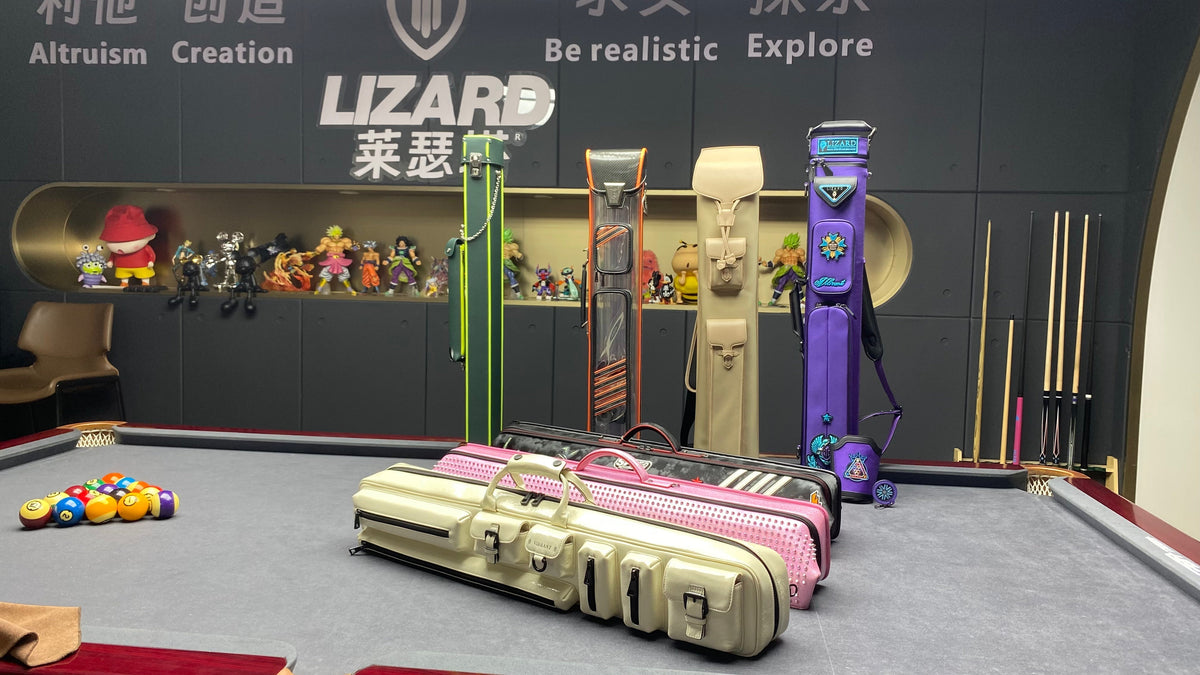
How to Care for Your Pool Cue: Why a Quality Pool Cue Case Matters
Written by Lewis
 For every pool player, familiar equipment can feel like a trusted partner at the table. Your cue, tip, chalk, gloves, and accessories all affect your consistency, control, and confidence.
Many players invest heavily in a quality cue but overlook everyday storage and maintenance. Moisture, temperature changes, chalk residue, accidental impact, and improper transportation can gradually damage equipment. A cue may warp, a tip may wear prematurely, a ferrule or joint may loosen, and the shaft may become heavily stained.
Proper maintenance starts with cleaning and inspection, but it also requires reliable storage. That is why a well-designed pool cue case is more than a carrying bag—it is the first layer of protection for your equipment.
Why a Pool Cue Case Is So Important

A cue case may also be described as a billiard cue case, pool stick case, or cue stick case. Regardless of the name, its main purpose is to protect, organize, and transport your equipment safely.
1. It Reduces Impact and Pressure Damage
Your cue may be exposed to drops, bumps, compression, and constant movement while traveling to a pool hall or tournament. A basic soft bag may offer limited protection, allowing external pressure to reach the cue directly.
This can lead to:
· Scratches on the butt or shaft
· Damage to the cue tip or ferrule
· Stress around the joint
· Bending or warping
· Cues and shafts rubbing against one another
· Damage caused by loose tools and accessories
A structured pool cue case with padded compartments helps reduce movement and separates individual cue components. Players who carry a playing cue, break cue, jump cue, and multiple shafts should choose a case that keeps each piece secure and separated.
2. It Helps Protect Cues From Environmental Exposure
Wooden cues are sensitive to excessive moisture, heat, dryness, and rapid temperature changes. Long-term exposure to unsuitable conditions may increase the risk of warping, cracking, finish damage, or problems with glued components.
A cue case does not provide complete climate control, but it reduces direct exposure to dust, moisture, and short-term environmental changes.
For safer storage:
· Wipe your cue dry before returning it to the case.
· Do not store damp towels or gloves inside the cue compartment.
· Keep chalk in a separate holder or sealed accessory pocket.
· Use a small desiccant pack when appropriate, and replace it regularly.
· Store the case in a dry location with a relatively stable temperature.
· Avoid placing heavy objects on top of the case.
· Never leave your cue in a vehicle for an extended period.
A car can become extremely hot in summer and very cold in winter. Even a high-quality case cannot fully protect a cue from prolonged exposure to extreme temperatures.
3. It Keeps Chalk and Tools Away From the Cue

Chalk, tip tools, extensions, joint protectors, and other accessories can scratch or contaminate a cue when everything is stored together.
A practical billiard cue case should include separate accessory storage. Chalk should be kept in a holder or small sealed container so loose powder does not spread across the shaft, joint, or case lining.
Organized storage protects the cue and makes it easier to find what you need during practice or competition.
4. It Makes Tournament Preparation Easier
Competitive players often carry more than one cue and several accessories. A properly sized case can organize:
· A playing cue
· A break cue
· A jump cue
· Multiple shafts
· Chalk
· Gloves
· An extension
· Joint protectors
· Tip tools
· A cleaning cloth
· Other small accessories
A good layout reduces the chance of leaving essential equipment behind and allows you to access everything quickly during a match.
How to Clean Your Pool Cue After Playing
A protective case works best when the cue is clean and dry before storage.
Wipe the Cue After Every Session
Sweat, skin oils, dust, and chalk can accumulate on the cue over time. This buildup may affect the appearance and feel of the shaft.
After playing, use a clean, dry microfiber cloth or cue cloth to wipe the shaft and butt gently. Work along the length of the cue and avoid aggressive rubbing.
Unless specifically recommended by the cue manufacturer, avoid using:
· Excess water
· Rubbing alcohol
· Household cleaners
· Dish soap
· Abrasive pads
· Rough cloths
· Unapproved polishing products
Cleaning requirements vary by material. A traditional wooden shaft, coated butt, linen wrap, leather wrap, and carbon-fiber shaft should not automatically be cleaned in the same way. Always follow the manufacturer’s care instructions.
Store Your Cue in a Stable Environment
When your cue is not in use, keep it inside a suitable cue case rather than leaving it against a wall or exposed near a window.
Avoid storing your cue:
· In direct sunlight
· Near an air-conditioning vent
· Beside a heater
· In a damp basement
· In a hot or freezing vehicle
· Under heavy equipment
· Anywhere it may be knocked over
Before closing the case, make sure the cue and case interior are dry. A closed case can trap moisture if damp equipment is placed inside.
Inspect Your Cue Regularly

Routine inspection helps identify small problems before they become expensive repairs.
Check the following areas:
· Shaft straightness
· Joint fit and movement
· Ferrule condition
· Tip thickness and shape
· Cracks or separation around the tip
· Finish damage
· Unusual wood movement or cracking
· Case lining, zippers, straps, and internal supports
If the ferrule, joint, or another structural component becomes loose or cracked, stop using the cue until it has been inspected by a qualified cue repair professional.
Using household glue or attempting an improvised repair may affect alignment, weight, balance, and long-term durability.
Avoid Unnecessary Cue Modifications
A cue’s taper, shaft diameter, weight, and balance work together to produce its playing characteristics.
Avoid aggressively sanding the shaft or changing its taper based only on general online advice. Improper modification can:
· Reduce shaft strength
· Increase the risk of damage
· Permanently change the cue’s feedback
· Affect balance and consistency
· Void the manufacturer’s warranty
If you want to change the cue’s dimensions or playing characteristics, consult a professional familiar with that cue’s construction.
Use Cue Oil Only When Appropriate
Not every cue should be treated with oil.
Some unfinished wooden surfaces may benefit from a manufacturer-approved conditioning product. However, coated finishes, wraps, carbon-fiber shafts, and other specialized materials may require completely different care.
Do not apply wood oil simply because a fixed amount of time has passed. Maintenance frequency should depend on:
· Cue material
· Surface finish
· Local humidity
· Frequency of use
· Manufacturer recommendations
Overusing oil may create a sticky surface, attract dust, or negatively affect grip and feel.
How to Maintain Your Cue Tip
The cue tip directly contacts the cue ball, so its condition affects friction, spin, control, and consistency.
Maintain the Correct Shape

A new or overly smooth tip may need light preparation with a suitable tip tool. The goal is to create enough surface texture for chalk to adhere evenly.
Avoid aggressive or frequent sanding. Excessive shaping removes material, shortens the life of the tip, and may produce an uneven surface.
Know When the Tip Needs Attention
Inspect the tip if you notice:
· Frequent miscues
· A glazed or unusually smooth surface
· Excessive mushrooming
· Cracking or layer separation
· A loose edge
· Significant loss of thickness
· A gap between the tip and ferrule
Do not wait until the tip completely fails. Continuing to play with a severely worn or damaged tip may increase the risk of ferrule damage.
Avoid Unnecessary Impact
Do not strike the floor with the cue or use a playing cue for repeated high-force breaks if it was not designed for that purpose. Excessive impact can damage the tip, ferrule, shaft, or joint.
How to Apply Cue Chalk Correctly
Chalk increases friction between the cue tip and cue ball, helping reduce miscues. More chalk, however, does not always mean better performance.
Apply chalk lightly and evenly across the tip surface. Brush or rotate it gently over the tip rather than pushing the tip deeply into the center of the chalk cube.
For better results:
· Apply a thin, even layer.
· Avoid excessive pressure.
· Do not use damp or heavily clumped chalk.
· Keep chalk away from the shaft surface.
· Store chalk in a separate holder.
· Clean loose chalk dust from the accessory compartment regularly.
A cue case with dedicated accessory storage makes it easier to separate chalk from your cue and other sensitive equipment.
Common Pool Cue Care Mistakes
Mistake 1: Putting a Damp Cue Directly Into the Case
A cue case protects equipment, but it is not a drying system. Always dry your cue, towel, and gloves before closing the case.
Mistake 2: Assuming Cracking Is a Sign of Better Wood
Wood movement and cracking can be influenced by moisture content, environmental conditions, construction, finish, and storage practices. Cracking should not automatically be treated as proof of high-quality wood.
If you notice a crack, have it inspected before it grows or affects performance.
Mistake 3: Assuming a Darkened Shaft Means Poor Quality
Wooden shafts may gradually darken from chalk, oils, perspiration, and frequent use. This does not necessarily mean the cue is structurally damaged.
Washing your hands before playing and wiping the shaft after every session can reduce buildup. Avoid aggressive sanding in an attempt to restore the shaft to its original color.
Mistake 4: Using the Same Care Method on Every Cue
Wooden shafts, carbon-fiber shafts, coated butts, linen wraps, and leather wraps all require different maintenance methods.
Before using oil, cleaner, polish, or abrasive tools, make sure the product is suitable for that specific material.
Mistake 5: Treating the Case as Permanent Climate Protection
A well-constructed pool stick case offers useful protection during transport and storage, but it cannot make extreme heat, freezing temperatures, or severe humidity safe.
Where you store the case remains just as important as the case itself.
How to Choose the Right Pool Cue Case
The best case is not necessarily the largest or most expensive one. It should match your equipment, travel habits, and required level of protection.
1. Choose the Right Capacity
Before buying, determine how many butts and shafts you normally carry.
Your setup may include:
· One playing cue
· A playing cue and break cue
· A playing cue, break cue, and jump cue
· Multiple shafts
· Tournament accessories
A case that is too small may compress the equipment. A case that is too large without proper internal support may allow components to move excessively.
Choose a configuration that holds each piece securely.
2. Evaluate the Protective Structure
When comparing pool cue cases, look beyond the exterior design. Consider:
· Exterior rigidity
· Internal padding
· Individual cue compartments
· Secure component placement
· Reinforced corners and base
· Durable zippers and hardware
· Strong stitching
· Protection around vulnerable areas
A case should help reduce movement and prevent cues, shafts, and tools from rubbing against one another.
3. Check the Accessory Storage
Players often carry more than cues and shafts. Make sure there is appropriate space for chalk, gloves, extensions, joint protectors, tip tools, and cleaning supplies.
Separate storage improves organization and reduces the risk of loose accessories scratching or contaminating the cue.
4. Consider Carrying Comfort
If you regularly travel to pool halls, league matches, or tournaments, consider:
· Shoulder strap padding
· Handle strength
· Weight distribution
· Overall case weight
· Ease of access
· Vehicle and travel compatibility
A case may provide excellent protection, but it should also remain practical when fully loaded.
5. Match the Case to Your Playing Routine
A casual player carrying one cue may prioritize a lightweight design. A league or tournament player carrying multiple cues and shafts may need a larger, more structured case with additional storage.
Choose based on your real equipment—not only on how the case looks when empty.

Protect Your Investment
A quality cue requires more than occasional cleaning. Long-term care depends on consistent habits:
· Keep the cue clean and dry.
· Protect it from extreme temperatures.
· Inspect the tip, ferrule, and joint regularly.
· Use maintenance products only when appropriate.
· Store chalk and tools separately.
· Transport the cue in a properly fitted case.
A professional pool cue case forms the first line of defense by reducing impact, separating equipment, and keeping everything organized between sessions.
LIZARD offers cue cases in different capacities, designs, and configurations for different playing needs. Whether you need a streamlined case for everyday play or a larger billiard cue case for multiple cues, shafts, and tournament accessories, choose according to protection, capacity, and real-world use—not appearance alone.
Take care of the equipment that supports your game, and the familiar feel of your cue can stay with you for much longer.
Explore LIZARD Pool Cue Cases and find the right protection for your equipment.
共有する:
Why Are Some Pool Cue Cases More Expensive Than Others?
Leather Pool Cue Case: How to Choose the Right Leather Cue Case
1 コメント
Thank you, Lewis, for such an informative article! It was really helpful and gave me a lot of useful insights when choosing the cue case that best suits my needs. I really appreciate the detailed information and recommendations!