

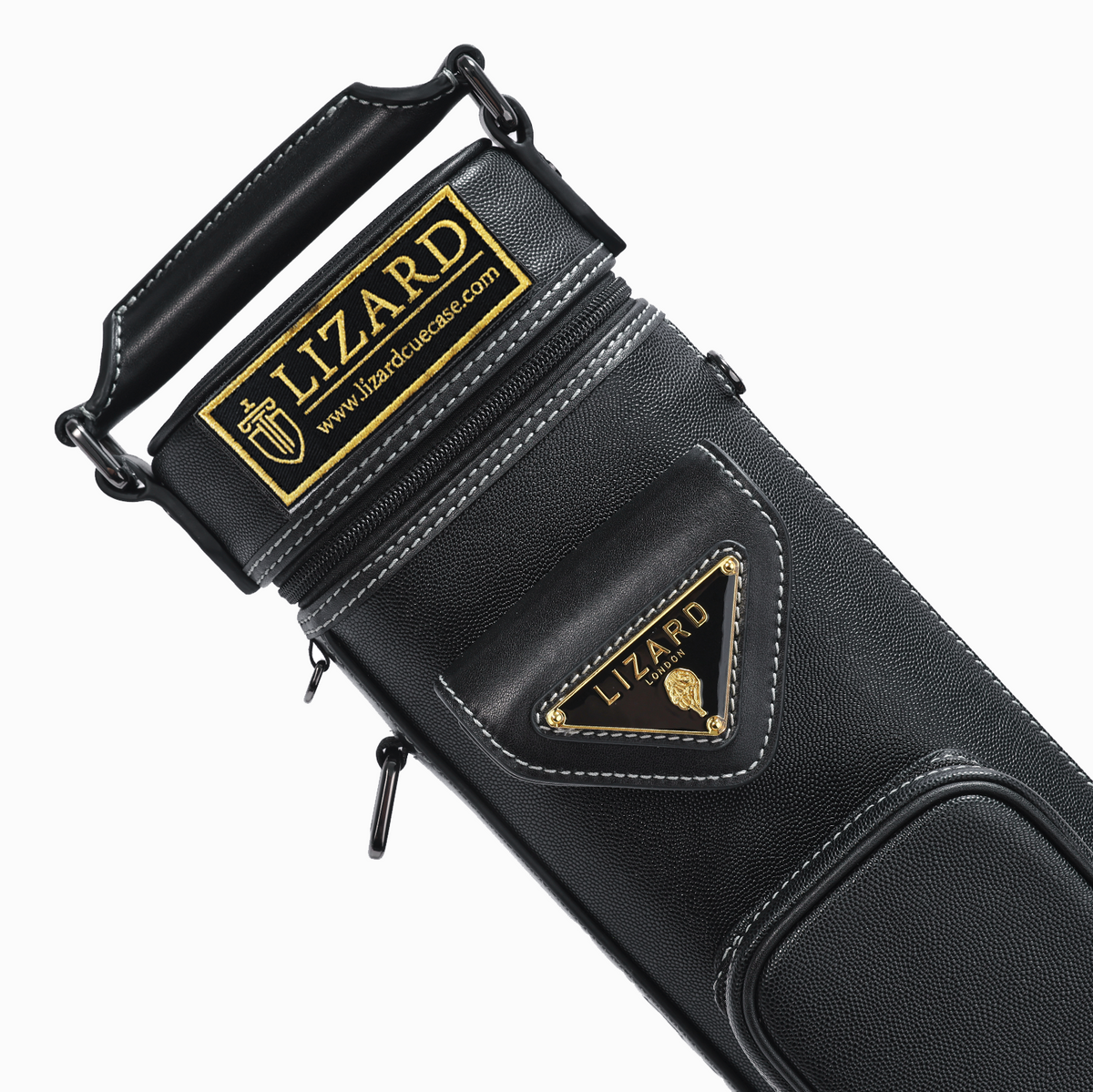
A pool cue case does more than carry your billiard equipment. It protects your cues, keeps accessories organized, and helps preserve the condition of the equipment you rely on every time you play.
However, like any piece of equipment used regularly, a pool cue case needs proper maintenance.
Dust, moisture, friction, accidental spills, and everyday transportation can gradually affect its appearance and functionality. Without regular care, zippers may become difficult to operate, exterior materials may lose their original appearance, and interior compartments may accumulate dirt.
Whether you own a premium leather pool cue case, a hard cue case, or a lightweight soft cue case, understanding how to clean and maintain it can help extend its useful life.
In this guide, we explain how to clean different types of pool cue cases, protect their materials, maintain their hardware, and avoid common maintenance mistakes.
1. Why Pool Cue Case Maintenance Matters
Many players spend considerable time maintaining their pool cues but pay less attention to the cases that protect them.
This is understandable. Most cue cases are designed to be durable and withstand regular transportation.
However, regular use exposes them to several environmental factors.
Dust and Dirt
Pool halls, transportation environments, and storage areas can expose cue cases to dust and dirt.
Over time, dirt may accumulate around zippers, seams, handles, and accessory pockets.
Moisture and Humidity
Moisture can affect different materials in different ways.
Leather may develop stains or changes in texture, while certain fabrics may retain moisture if they are not dried properly.
Keeping your cue case dry is particularly important when transporting equipment between different environments.
Daily Wear and Tear
Handles, shoulder straps, zippers, and buckles are frequently used components.
Regular inspection helps identify early signs of wear before they become more serious problems.
Interior Contamination
Small accessories such as chalk, tip tools, and cleaning products can leave dust or residue inside storage compartments.
Keeping the interior clean helps maintain a better storage environment for your cue equipment.
2. How to Clean a Leather Pool Cue Case
Leather pool cue cases require slightly different maintenance compared with synthetic or fabric cases.
The correct cleaning method depends on the specific leather finish and manufacturer recommendations.
Here is a practical maintenance routine.
Step 1: Remove All Equipment
Before cleaning, remove:
- Cue butts.
- Cue shafts.
- Joint protectors.
- Chalk.
- Gloves.
- Cue extensions.
- Other accessories.
Emptying the case allows you to clean both the exterior and interior more effectively.
Step 2: Remove Surface Dust
Use a clean, soft, dry microfiber cloth to gently wipe the exterior.
Pay particular attention to:
- Corners.
- Stitching.
- Handles.
- Decorative details.
- Areas around pockets.
Avoid aggressive rubbing, which may damage delicate finishes.
Step 3: Clean Small Stains Carefully
For minor surface dirt, use a slightly damp microfiber cloth if the material manufacturer permits it.
Always test the cleaning method on a small, inconspicuous area first.
Avoid soaking the leather.
Do not use household detergents, alcohol-based cleaners, bleach, or strong chemical products unless they are specifically approved for the material.
Step 4: Dry Naturally
After cleaning, allow the case to dry naturally in a well-ventilated area.
Avoid:
- Direct sunlight.
- Hair dryers.
- Radiators.
- Other concentrated heat sources.
Excessive heat may cause certain leather finishes to dry out, crack, or change appearance.
Step 5: Apply Appropriate Leather Care Products
Some leather materials benefit from specially formulated leather conditioners.
However, not every leather finish requires conditioning.
Before applying any product, check the manufacturer’s recommendations and test it on a hidden area.
The right maintenance method should preserve the material rather than change its original texture or color.
3. How to Clean a Fabric or Synthetic Pool Cue Case
Fabric and synthetic cue cases may require different cleaning methods depending on their construction.
For general surface maintenance:
- Remove all equipment and accessories.
- Use a soft brush or dry microfiber cloth to remove loose dust.
- Wipe suitable surfaces with a slightly damp cloth.
- Avoid excessive water around seams and internal structures.
- Allow the case to dry completely before storing your cues.
For stubborn stains, check the material’s care instructions before using any cleaning solution.
Do not assume that every synthetic material can tolerate the same chemicals or cleaning methods.
4. How to Maintain a Hard Pool Cue Case
Hard pool cue cases are designed to provide additional structural protection.
Although their exterior surfaces may be relatively easy to clean, their internal components still require attention.
Consider these maintenance practices:
Clean the Exterior Regularly
Use a soft cloth to remove dust and surface dirt.
For stubborn marks, use a cleaning method suitable for the specific exterior material.
Inspect the Internal Compartments
Check whether internal tubes, separators, and protective padding remain properly positioned.
The cue should fit securely without requiring excessive force.
Check Latches and Hinges
If your hard cue case uses mechanical latches or hinges, inspect them periodically.
Make sure they open and close smoothly.
Avoid forcing components that appear stuck or misaligned.
5. How to Maintain Cue Case Zippers, Handles, and Straps
The exterior material is only one part of a cue case.
Hardware and carrying components also influence long-term usability.
Zippers
Keep zipper tracks free from dust and loose debris.
If a zipper becomes difficult to operate, inspect the track for obstructions.
Do not force it.
Use only zipper maintenance products suitable for the specific zipper material.
Handles
Check the stitching and attachment points around carrying handles.
These areas experience repeated pulling forces, especially when the case is fully loaded.
Shoulder Straps
Inspect the strap material, adjustment buckles, clips, and connection points.
If you notice damaged stitching or weakened attachment hardware, address the issue before carrying valuable equipment.
Metal Hardware
Wipe metal components with a clean, dry cloth.
Keep them free from accumulated moisture and dirt.
6. How to Keep the Inside of Your Pool Cue Case Clean
The interior of a cue case deserves as much attention as the exterior.
A clean interior helps keep equipment organized and reduces unnecessary contact with dirt and accessories.
Follow these recommendations:
Separate Cue Butts and Shafts
Keep different cue components in their designated compartments.
Avoid allowing shafts to move freely against hard accessories.
Remove Chalk Residue
Chalk dust can accumulate inside accessory pockets.
Empty and clean these areas regularly.
Organize Small Accessories
Keep joint protectors, gloves, tip tools, and other small items in dedicated storage areas.
Check Before Closing the Case
Make sure no loose accessories are trapped between compartments or against cue components.
A well-organized pool cue case makes preparation and transportation easier.
7. How to Store a Pool Cue Case Properly
Cleaning is only part of proper maintenance.
Storage conditions also matter.
Keep It in a Dry Environment
Avoid storing your cue case in damp basements, wet vehicles, or areas with persistent moisture.
Avoid Extreme Temperatures
Do not leave your cue case exposed to extreme heat or cold for extended periods.
Temperature changes can affect certain exterior materials and internal components.
Avoid Excessive Pressure
Do not place heavy objects on top of your cue case.
Excessive pressure may affect its shape or internal structure.
Store It Properly Between Sessions
When possible, keep the case in a clean, dry location.
If the case has become damp, allow it to dry thoroughly before storing your cues.
8. Common Pool Cue Case Maintenance Mistakes
Even experienced players sometimes make simple maintenance mistakes.
Here are several things to avoid.
Using the Wrong Cleaning Products
Strong household cleaners may damage leather finishes, coatings, or synthetic materials.
Always check material compatibility.
Leaving a Wet Cue Case Closed
Trapped moisture may create unpleasant odors and affect certain materials.
Allow the case to dry properly.
Ignoring Small Hardware Problems
A damaged zipper or loose strap connection can become a larger issue if ignored.
Regular inspections help identify problems early.
Overloading the Case
Carrying more equipment than the case is designed to accommodate may put unnecessary stress on its compartments, zippers, and handles.
Choose a capacity that matches your equipment.
Neglecting the Interior
An attractive exterior does not compensate for dirty or poorly organized internal compartments.
Keep both areas clean.
9. How Often Should You Clean Your Pool Cue Case?
The ideal maintenance frequency depends on how often you play and the conditions in which you use your equipment.
A practical maintenance schedule is:
|
Maintenance Task |
Recommended Frequency |
|---|---|
|
Remove surface dust |
Weekly |
|
Clean accessory pockets |
Every 1–2 weeks |
|
Inspect zippers and handles |
Monthly |
|
Check internal compartments |
Monthly |
|
Clean exterior surfaces |
When necessary |
|
Inspect stitching and hardware |
Every 2–3 months |
Players who regularly travel to tournaments or play in different venues may need to inspect their cases more frequently.
10. Choosing a Pool Cue Case That Is Easier to Maintain
Maintenance begins with understanding the product you purchase.
Different materials, constructions, and designs require different levels of care.
When selecting a new pool cue case, consider:
Material Quality
Look for materials appropriate for your usage habits and preferred appearance.
Internal Construction
Check how the case separates and supports cue butts and shafts.
Hardware Quality
Zippers, handles, straps, and attachment points should be suitable for regular use.
Practical Storage
Well-designed compartments make it easier to organize equipment and clean the interior.
Overall Craftsmanship
Pay attention to stitching, finishing, structural consistency, and the quality of small details.
A well-designed cue case should balance protection, functionality, appearance, and long-term usability.
Frequently Asked Questions
How do you clean a pool cue case?
Start by removing all equipment and accessories. Use a soft microfiber cloth to remove dust and clean the exterior according to its material. Avoid excessive moisture and unsuitable chemicals.
How do you clean a leather pool cue case?
Use a clean, soft cloth and follow the care recommendations for the specific leather finish. Test cleaning products on an inconspicuous area before applying them to the entire surface.
Can I use water to clean my cue case?
A slightly damp cloth may be suitable for some materials, but excessive water should be avoided. Always check the manufacturer’s material care instructions.
How do I prevent my cue case from developing an unpleasant smell?
Keep the interior clean, remove damp accessories, allow the case to dry completely, and avoid storing it in humid environments.
How long does a pool cue case last?
Its useful life depends on material quality, construction, frequency of use, transportation conditions, and maintenance. Regular inspection and appropriate care can help preserve its condition.
Should I condition my leather pool cue case?
Only if the leather type and finish are suitable for conditioning. Follow the manufacturer’s recommendations and test any product on a hidden area first.
Final Thoughts
A pool cue case is an important part of your billiards equipment.
It protects your cues, organizes your accessories, and travels with you from everyday practice sessions to competitive tournaments.
Taking care of it does not require complicated routines.
Regular cleaning, proper storage, careful handling, and occasional hardware inspections can make a meaningful difference.
Whether you prefer a classic leather design, a modern hard case, or a distinctive premium cue case, good maintenance helps preserve both its appearance and functionality.
At LIZARD, we believe a cue case should bring together protection, craftsmanship, functionality, and individual style.
Explore the LIZARD Cue Case Collection and find a case designed to accompany your game.
Share:
Custom Pool Cue Case: The Complete Guide to Designing Your Own Cue Case